Tuesday, November 10, 2026 | 11:00 AM ET / 9:00 AM PT
About the Event
Join CAFIID and the Table of Impact Investment Practitioners (TIIP) for an introduction to Canada’s Sustainable Finance Taxonomy and what it could mean for fund managers and investment professionals.
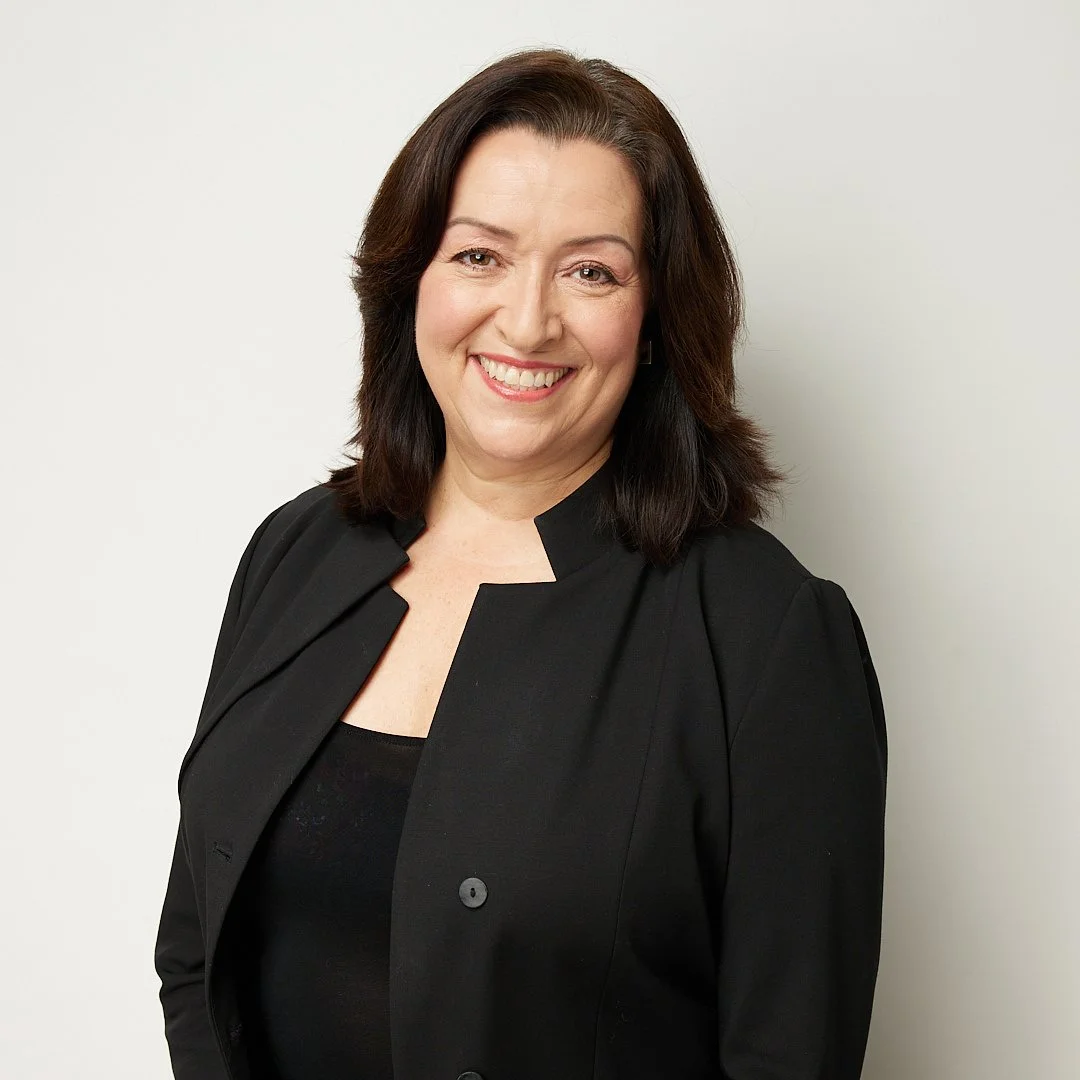
Featuring Marlene Puffer, Chair of Canada’s Taxonomy and Transition Planning Council, the session will provide an overview of the taxonomy, its objectives and key components, including the green and transition categories and environmental and social safeguards.
We will also explore how the taxonomy fits within Canada’s broader sustainable finance landscape, drawing on developments in other markets and international taxonomies. The conversation will highlight what the framework could mean for investors and how they can engage with its ongoing development.
A dedicated discussion will invite participants to share their questions and concerns and identify where additional guidance, resources or sector support may be needed.
Featured Speaker
Marlene Puffer
Chair, Taxonomy and Transition Planning Council
Marlene Puffer is a seasoned investment executive and board director committed to long-term value creation and purpose-driven governance. She currently serves as Chair of Canada’s Taxonomy and Transition Planning Council, mobilizing capital toward clean growth; Chair of the Railpen Investment Oversight Committee in London, UK; and a member of the Advisory Board for the Canadian Leadership Congress.
She has held CEO, CIO and board roles at leading Canadian pension plans overseeing multi-billion-dollar portfolios, including Chief Investment Officer at AIMCo, CEO of CN Investment Division, and Vice-Chair of the Board and Chair of the Asset-Liability Committee at HOOPP.